The 5 Reasons Flooring Companies Fail Their Customers
Know What to Look For Before You Sign — Your Investment Depends on It.
Your flooring is one of the most important investments in your home or business. It affects appearance, durability, safety, and long-term value.
But here’s the truth most people don’t hear until it’s too late: not every flooring company stands behind the work they perform — and when problems show up months later, the customer is left holding the bill.
Understanding why this happens is the first step toward protecting yourself and your property.
Why Some Companies Fail You
-
Cutting Corners to Win Bids
Some companies underbid projects by skipping essential steps to save time and materials. No moisture testing, no subfloor leveling, rushed demolition, and cheap adhesives that look fine on day one — and fail within a year.
-
Using Untrained Labor
When companies rely on day labor or untrained crews, patterns don’t line up, planks separate, and grout lines crack. Because the labor wasn’t qualified, the company avoids responsibility — leaving you with a floor that looks like it was installed by amateurs. Because it was.
-
Lack of Documentation
If a company can’t show how they prepped the subfloor or what materials were used, they can easily deny accountability when something goes wrong. No paper trail means no recourse for you.
-
The Disappearing Act
Fly-by-night operators change names, switch phone numbers, or simply stop answering calls after the job is done. They rely on quick cash, not long-term reputation. By the time problems surface, they’re gone.
-
“Fake” Warranties
Some warranties are vague, full of exclusions, or impossible to claim in practice. A warranty is only as good as the company standing behind it — and a company that cuts corners won’t honor one when it matters.
How to Protect Yourself Before Hiring
The Most Important Question to Ask
Ask any contractor to explain their process step by step — removal, subfloor prep, dust control, moisture testing. If they can’t explain it, they can’t guarantee it. A vague answer is a red flag.
-
Ask About Their Process Step by Step
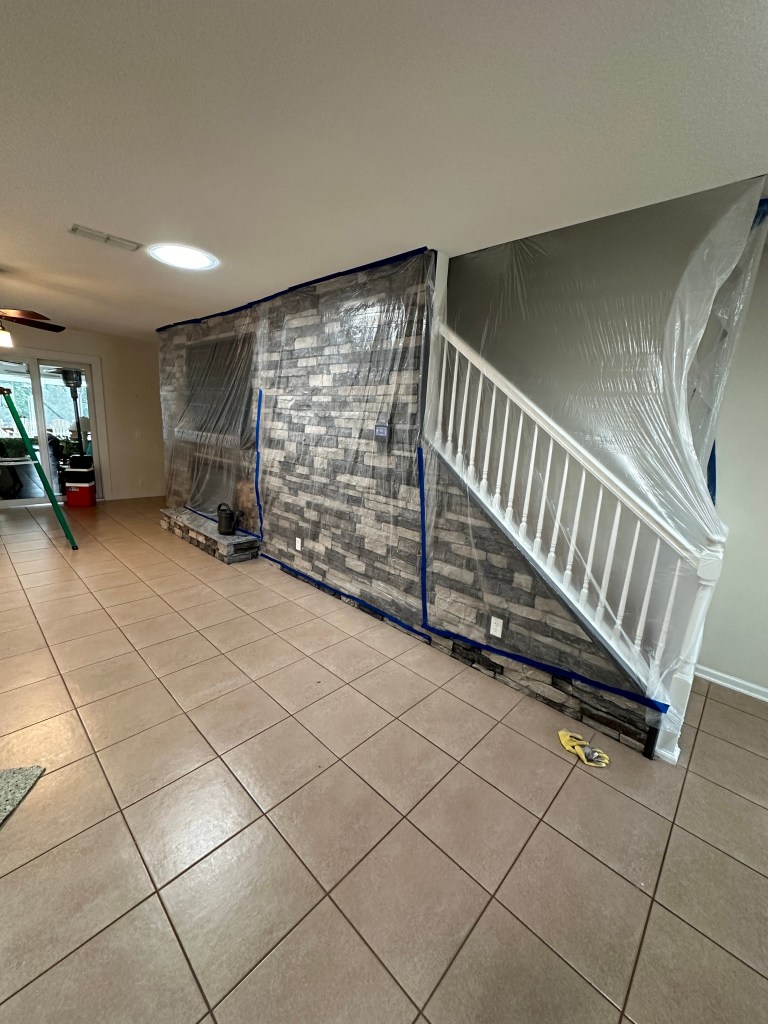
A reputable company can clearly explain how they remove flooring, prep the subfloor, and control dust. Ask specifically about moisture testing, slab grinding, and HEPA dust containment. See our Demo Guidelines as an example of full transparency.
-
Request Proof of Training & Experience
Look for certified installers, experienced removal technicians, and real before/after photos from actual job sites — not stock images. Experience matters far more than a low price. Check their Google Reviews and look for specific project details in the feedback.
-
Get Everything in Writing
Before work begins, ensure you have a detailed scope of work, complete materials list, timeline, warranty terms, and cleanup and disposal details — all in writing. No verbal agreements. No exceptions. Verify the contractor’s Florida license at myfloridalicense.com.
-
Verify Professional Equipment
Tools reveal professionalism. Look for industrial HEPA dust-control systems, ride-on scrapers, moisture meters, and subfloor leveling equipment. A crew that shows up with a rented chipper and a shop vac is not prepared for a quality installation.
-
Choose a Reputation to Protect
Established companies with a real brand, physical presence, and consistent verified reviews are far more likely to stand behind their craftsmanship. A company that has been in business for years in your community has something to lose if they fail you.
The AFR Standard — Built on Accountability
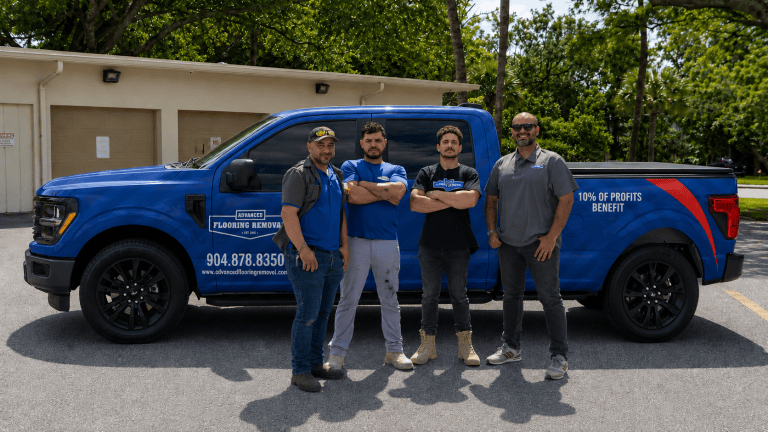
Every AFR project is documented, insured, and backed by a team that has been serving Northeast Florida since 2018.
The Bottom Line
Flooring is a long-term investment — and the company you choose determines whether that investment holds up or falls apart. When you hire a team that values precision, documentation, and accountability, you’re not just buying a service. You’re buying peace of mind.
Frequently Asked Questions
How do I know if a flooring contractor is legitimate?
Verify their Florida contractor license at myfloridalicense.com, ask for a certificate of insurance, request an itemized written quote before any work begins, and check their Google Reviews for specific project details. A legitimate contractor can clearly explain their process step by step.
What should be included in a flooring removal contract?
A flooring removal contract should include: detailed scope of work, complete materials list, timeline, warranty terms, dust containment protocol, debris removal and disposal details, and total price with no hidden conditions. Get everything in writing before work begins.
Why do some flooring companies not honor their warranties?
Common reasons include vague warranty language full of exclusions, fly-by-night operators who change names or disappear, and companies that used untrained labor or skipped essential prep steps. A warranty is only as good as the company standing behind it — always choose an established, licensed, and insured contractor.