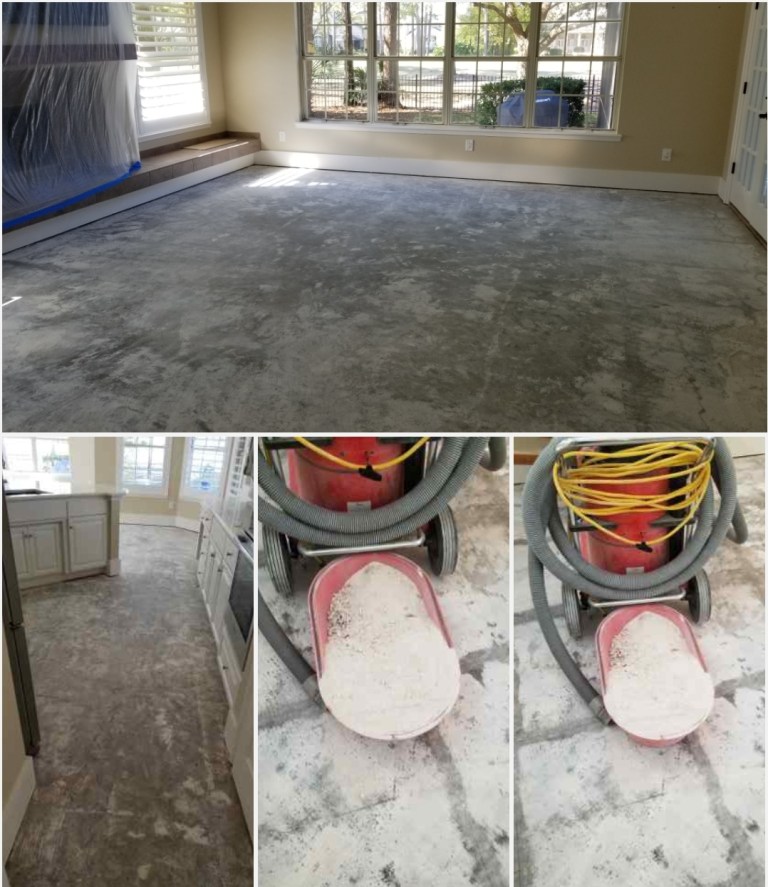
The Hidden Enemy Beneath Your Floors
Moisture Always Finds the Path of Least Resistance — Here’s How to Stop It.
When it comes to flooring, moisture is one of the most overlooked problems lurking beneath the surface. At Advanced Flooring Removal, we’ve seen it first-hand — time after time — causing costly damage that could have been avoided with the right preparation and care.
If you live in an older home — perhaps in Flagler County or older parts of Jacksonville — it’s important to understand how the age of the home, past renovations, and even the plumbing system can impact the concrete slab beneath your floors.
1. Age of the Home and the Moisture Barrier
Older Slabs — Hidden Vulnerabilities
Concrete slabs in homes built decades ago may not have been installed with the same protections used today. Many relied on a thin moisture barrier beneath the slab to prevent ground moisture from rising. Over the years that barrier may have dissipated, deteriorated, or shifted — leaving the slab fully exposed to rising moisture vapor.
2. Renovations Can Change Everything
If your home has had renovations — especially in kitchens or bathrooms — here’s something most contractors won’t tell you:
-
Plumbing Was Moved — Barrier Was Never Restored
During a remodel, if plumbing was moved, contractors often had to cut into the slab. After patching the concrete, the moisture barrier was frequently never restored in that area — leaving an unprotected section where moisture seeps upward continuously.
-
Improper Patching Creates Weak Points
Improper patching by untrained crews creates weak points where moisture feeds and spreads — often leading to larger, more expensive flooring failures over time.
3. Plumbing Location: Slab vs. Attic
Another key factor is where your plumbing runs — and the difference is significant:
| 🚿 Plumbing in the Attic | 🧱 Plumbing in the Slab |
|---|---|
| Leaks are usually visible and drip downward from the ceiling. They are messy but generally easier to spot and repair quickly. | Leaks are hidden. Water seeps directly into the concrete, silently saturating your floors. This often leads to cupping, buckling, and mold before you ever see a puddle. |
4. Other Moisture Intrusion Risks
Moisture doesn’t only come from below the slab — outside conditions can make it significantly worse. Here are the most common issues we see on job sites across Northeast Florida:
-
Clogged Gutters & Downspouts
When gutters overflow, water doesn’t drain away from the foundation. Instead it pours down walls and finds its way into your home’s slab — often going completely undetected for months.
-
Sprinklers Too Close to the House
If sprinkler heads spray directly onto the home’s exterior, and there is missing mortar or poor caulking, water will seep inside and reach the slab. A surprisingly common cause of moisture damage in Florida neighborhoods.
-
Neglected Exterior Maintenance
We’ve seen homes with T1-11 siding repaired but never properly caulked. Exposed wood rots, opening the door for moisture to enter and work its way down to the slab over time.
Why This Matters for Your Floors
The truth is — moisture always finds the path of least resistance. Once it gets in, it causes expensive damage that compounds over time.
Protecting Your Investment
At Advanced Flooring Removal, we take moisture seriously. Whether you’re removing old flooring or preparing for a new installation, our team evaluates your slab for signs of hidden moisture before any work begins.
This level of care is why AFR stands the test of time. We help you avoid costly surprises and ensure your investment is protected for the long run.
Frequently Asked Questions
How does moisture damage concrete floors in Florida homes?
Florida concrete slabs constantly emit moisture vapor from the ground up. If the moisture barrier beneath the slab has deteriorated — common in older homes — moisture seeps upward and damages flooring adhesives, causes hardwood to cup and warp, and creates conditions for mold growth.
How can I tell if my slab has a moisture problem?
Warning signs include cupping or warping hardwood floors, vinyl or laminate that lifts or bubbles at the seams, a musty smell near the floor, or visible efflorescence (white powder) on concrete. A professional moisture vapor test during slab prep will give you a definitive answer.
Can renovation work cause moisture problems in floors?
Yes. When plumbing is relocated during a renovation, contractors often cut into the slab and patch it without restoring the moisture barrier. This creates an unprotected section where moisture seeps upward continuously, often causing flooring failures months or years after the renovation.